
What we think we need but we don’t. And other disruptions.
Mouthwash
This one is important. Do not use antiseptic mouthwashes. Mouthwashes destroy the beneficial bacteria in your mouth that convert nitrates into nitrites which are crucial for producing nitric oxide in the body.
Lowered nitric oxide in the body is one of the causes of high blood pressure. And lowered nitric oxide leads to systemic inflammation and can affect endothelial function.
While many doctors are aware of this issue, many are not. If you notice your blood pressure creeping up and you use mouthwash try stopping that and see if it lowers naturally. And its not just blood pressure, you don’t want to disrupt the good bacteria in your mouth. Antiseptic mouthwashes are like antibiotics in the mouth. They kill the good and the bad.
Solutions?
This one is easy. You have a couple options. My simple solution is to put a drop of peppermint or spearmint essential oil in a little cup of water and swish it. Very refreshing. If you are sensitive to essential oils you can put a drop in a 1/2 tsp of coconut or sesame oil, put that in a little water and swish. You could also use a hydrosol to swish and gargle.
Essential oils and herbs are “smart”, they go after the bad bacteria while preserving the good bacteria.
Vitamins and Supplements
This one is controversial, but very challenged. You are not guaranteed what is in the vitamin is doing you any good. Nor are you guaranteed that the label correctly identified what is in it and in what amounts. The FDA allows up to a 15% variation up or down for fat soluble vitamins and a 10% accuracy rate for water soluble vitamins.
And I want to throw in a quick contrast … pharmaceutical drugs are even less regulated! They are allowed a 20% fluctuation up or down as to what is actually in the pill!
Furthermore without extensive testing its pretty hard to know if you really need a supplement. And then there is the absorption problem. Many supplements never make it through your stomach acid, if they do they are still not very well absorbed because they are coming in a form your body is not used to getting them in, they are synthetic, and/or they are out of proportion to how much you would get in a food.
Some brands use supplements encapsulated to survive your stomach acid or put them in a fat base so they are better absorbed but still you just don’t know if what you are taking is coming in a form your body can use and get it to where it needs it.
And then there are fillers. Some ethical brands use fillers that are probably ok, many brands use fillers that add to your toxic load. I just don’t trust what is in those pills.
Multivitamins are the worst offenders including popular brands like Centrum and Flintstone Kids Vitamins.
Vitamins and supplements do not equate to healthy habits. Instead they may add to your body’s detoxification burden.
I will use calcium as an example, manufacturers use calcium from oyster shells or limestone. Not foods you typically eat. That form of calcium is not well absorbed and may even end up in your arteries.
I know many people’s doctors tell them to supplement calcium especially as one ages to “prevent” osteoporosis. There is really not much data to support this. If you feel you must supplement with calcium try to find a supplement that has the calcium from real food. And make sure it comes with K2, as vitamin K2 tells your body where to put calcium.
Another example; selenium found in nuts and seeds and organic foods grown in selenium rich soil is known to boost the immune system, improve thyroid function, and protect against heart disease.
Supplements contain a form of selenium called sodium selenate, a byproduct of copper metal refining. It is 4x more toxic than cyanide yet listed as a nutrient in many vitamins. Centrum lists 55mcg yet that amount in a liter of water is more than the EPA allows for safety.
Iron aka ferrous fumarate in supplements is the reason many supplements carry warnings. It happens to be toxic when consumed in excess. Why then would one Centrum multivitamin be six times higher than the EPA allows in one liter of water? Because it is cheap, it’s a byproduct of iron mining and costs mining companies money to dispose of. So instead they sell it cheap to be used in supplements. Ferrous fumarate interacts with vitamin C (often also in multivitamins) leading to ulceration of the GI tract and chronic inflammatory diseases.
If you do want to take supplements try to find whole food supplements. For example turmeric supplements are mostly just curcumin, while there are over 300 other constituents in turmeric that are just as beneficial. The other problem with this is our body is not used to a big heroic dose of just curcumin and the leads to side effects. Then add to that, most curcumin is now synthetic and probably something your body does not even recognize adding to your toxic burden that needs to be detoxified from your body.
Solutions?
There are some food like vitamins and supplements coming out that are made from powdered fruits, vegetables, and herbs. You sprinkle them on your food or put them in water or smoothies. These seem to be better alternatives but still not equated to just eating fruits and vegetables.
Better yet?
Eat a variety of whole, real foods with lots of fruits and vegetables. And Use herbs in their whole fresh or dried forms. Cook with herbs, put herbs in your water, make teas morning and night.
For example 1-3 brazil nuts per week provide all the selenium you need.
Vitamin D … Get outside in the sun as often as you can (without burning) mid-day most days spring to fall. Test before you supplement in the winter, high Vitamin D levels can lead to kidney damage another problems.
I do sometimes use tinctures in small amounts. Alcohol tinctures tend to pull more nutrients from the herbs but then you have the alcohol challenges. Glycerites are a sweet option and make the flavors of the tincture better. Though they tend to not capture as many nutrients.
If you do feel you are missing some nutrients that you can supplement with you need to test first to see if you are indeed low in that nutrient. And then try the food first approach.
Soap
Soap is alkaline, the skin wants to be acidic. It has an acid mantle that protects you. Soap degrades this and literally washes away our skin. This is why I think some elderly people’s skin is so thin —years of soaps have washed away layers of skin.
And then there is the Microbiome of the skin, which importantly protects us from infections. Soap disrupts that too. Including Castile soaps, dish soaps, liquid soaps and any soap that uses lye and harsh surfactants. Yes the lye dissipates after the soap is made, but the chemical reaction (alkalinity) caused by the lye remains and that alkalinity is the problem.
All those fancy, handmade, organic soaps made with tallow and other beautiful oils … sadly they are made with lye too. Soap makers please don’t be mad at me!
Solutions? Sugar and salt scrubs, oils with essential oils, clay and salt scrubs, Aloe and carrier oil and hydrosol washes. Thats all I use on my body.
The only places I use a little Castile soap diluted in a hydrosol with essential oils is for washing dishes and hands. And I would like to find a better alternative, and I think I did!
I found a gentle apple based surfactant I am playing around with. So if you like suds and don’t want to give it up, check back. If I like it and it seems safe for my skin I am going to swap out castile soap for this surfactant.
Shampoo, hair dyes, hair styling agents
This is is a bit tougher for most people to replace or not do. However you need to scrutinize everything you put on your scalp. There are bi-directional veins between your scalp and brain.
Don’t put anything on your scalp you wouldn’t eat
These bi-directional veins called emissary veins, go from the scalp to the brain, bi-directional means they are valveless to carry waste out of the brain, and carry things from the scalp to the brain.

The emissary veins primary job is to drain, cool, and relieve pressure from inside the skull, and they transport nutrients or potentially toxins from outside the skull into the brain.
The worst offenders are hair dyes and other chemicals used to change your hair such as straighten it or perm it. I know a tough one to give up, however safer options are available out there.
Maybe if you live pretty clean in other areas of your life you can afford a little hair dye here and there without it being a problem it is an overall lifestyle burden accumulation that can become problematic.
Avoid any product that suds. And just like soaps, shampoos destroy the scalp.
That is the hardest part for most people. Sudsing is not good it requires SLS (sodium lauryl sulfate) and other derivatives that suds away protective layers of skin and strip your hair of all its natural oils.
Every person who has put their hands on my scalp; such as to cut my hair or do a scalp massage as part of an Ayurvedic treatment comments that my hair and scalp feel very different from everyone else’s. I have not used a commercial shampoo or hair product of any type for at least 15 years. And I have never dyed my hair.
Solutions?
There are some brands out there trying to make clean hair products, my favorite place to find this information is EWG.org. They rate most commercial products and herbal, alternative as well.
What I do?
I wash my hair with a clay, aloe, and apple cider vinegar (ACV) shampoo that I make. I also make a coconut milk and aloe shampoo. I sometimes use them both (coconut milk shampoo first, then the clay, aloe, ACV because ACV is a great de-tangler and works well as a conditioner.
After my hair dries I follow up with a little oil such as jojoba, coconut, olive or most any oil, and gently massage it through my hair.
There will be no sudsing but your hair and scalp will feel so good.
The other benefit of making your own shampoo and body scrubs instead of liquid soaps is plastic bottles. Just think how many less plastic bottles would be disposed of if the majority of the population realized we don’t need these items to come in plastic bottles.
Any fragrance scented product.
Your body is surrounded by an “oxidation field” made of reactive hydroxyl molecules (OH). This protective layer helps break down harmful pollutants in the air before they reach your lungs or enter your body through the skin. Your skin has a natural ozone shield 🙂
Synthetic fragrances and personal care product chemicals are challenging for our body on many levels from exposing you to known carcinogens to disrupting your skin’s barrier and causing hormonal disruptions. And they also release compounds that disrupt our body’s natural ozone shield. Fragrances are the worst offenders they drop the skins natural ozone defense by 50%.
When lotion is combined with fragrance its volatile fragrances concentrate around the face and chest area increasing lung exposure to toxicants. And lotions had a more persistent effect because they disrupted our natural ozone shield longer than fragrance alone. Probably because the fat in the lotion keeps the fragrance on our skin longer.
- Nora Zannoni et al. ,Personal care products disrupt the human oxidation field.Sci. Adv.11,eads7908(2025).DOI:10.1126/sciadv.ads7908
Fragrances are in everything, not just perfumes and colognes, but air fresheners, soaps and shampoos, deodorants, laundry detergents and dryer sheets, bug sprays and e-cigarettes, and the list goes on.
They are a chemical soup of many different synthetic chemicals. Fragrances can be irritating and disruptive to our airways, cause health issues such as headaches, respiratory problems, and skin irritations.
These scents aren’t closely regulated, and manufacturers aren’t required to disclose everything that’s used to create them.
When we breathe in fragrances, we’re breathing in particles small enough to make their way into our bloodstreams where they can lead to inflammation and disease.
Cleaning products are some of the worst offenders, they combine fragrances with other cleaning chemicals. They significantly increase the risk of lung disease, particularly among women who use them regularly or work as professional cleaners. Studies have shown that professional house cleaners experience a decline in lung function comparable to that of smoking a pack of cigarettes daily for many years.
Cleaning products are some of the easiest to replace with non-toxic alternatives. And upside? Again less plastic bottles 🙂 See link below.
Solutions?
Slowly start to tease out every single product you bring into your house. Read the ingredients list and if fragrance is listed either try to find a fragrance free version or stop using it.
For body care products we can use essential oils suspended in natural carrier oils, butters, and waxes for perfumes and moisturizers. For natural deodorizing ingredients that work with your body try baking soda, activated charcoal, witch hazel distillate, aloe vera, and coconut oil to name a few. Recipes and ideas here:
Sunscreen
Sunscreen is more problematic than the sun. Sunscreen is most likely the culprit for skin cancers, not the sun. Sunscreen blocks vitamin D absorption, and most sunscreens are loaded with problematic chemical burdens for humans and marine life, such as oxybenzone and nano particles that get in places in our body they are not meant to fit into. The entire state of Hawaii has banned oxybenzone containing sunscreens because it is killing our reefs.
Unfortunately, sunscreens have been shoved down our throat, there are much better options if you need to be in the sun longer than usual — like red raspberry seed oil among other plant oils. Sunscreen is not the best protection from sunburn. Physical barriers are. Shade, shelters, clothes, and hats these are your best sunburn protectors if you need to be in the sun longer than you want to be.
Avoid spray on sunscreens, they are chemical sunscreens with chemical propellants that are known carcinogens. Even spray on mineral sunscreens are problematic, inhaling the minerals is not good for your lungs. And you still have the chemical propellant which tends to be in the benzene category. Nobody should be breathing in benzene in order to protect your skin.
Solutions?
Physical barriers and making your own sun protective oils. I have written extensively about this. Check out my blog on plant powered sun protection inside and out. And this piece I researched and wrote on the benefits of soaking up some sunshine.
Sunglasses
Sunset your sunglasses.
Sunglasses interfere with how our eyes take in light information. Sunglasses also restrict the movement of your pupil when exposed to the sun impairing vision and allowing UV light into areas of the eye the pupil protects by reducing pupil size. I gave up my sunglasses in February (2025) for good and I’m liking it.
There are some exceptions to the sunglasses, number one if you are a pilot, you will need to wear sunglasses and also seamen; captains, boaters, crew, people who like to go out on the water, skiers, and if you are in the desert, you will need to protect their eyes from the glare during a sunny day. The only other time it might be advantageous to wear sunglasses is if you were driving into the sunset, it might be safer to wear your sunglasses so you can see better.
In fact, I was totally shocked to learn that the rates of sunburn and skin cancer increased only after people started wearing sunglasses. Because the sun can penetrate the deepest through your eyes, your body can regulate what it needs to protect you from the sun — such as more melanin during UV light exposure times (10-2). The Australian aborigines never experienced sunburn until sunglasses were introduced. Totally crazy I know!
Sunglasses only became popular after World War II, pilots had to wear sunglasses and pilots were the heroes of the war. So sunglasses became popular then. And of course, after the war was over, there was a lot less to produce or manufacture so sunglasses were made popular to increase jobs.
To transition to no sunglasses buy a hat with a wide rim. When you first step outside your door, pause and let your eyes adjust. Close your eyes, face the sun or the sky for a few seconds, then blink as you turn your head away from the sun. After a short adjustment period, a wide rimmed hat will most likely be all you need on a sunny day.
Nutrition plays a key role in protecting eye health from UV light; anthocyanins from berries and carotenoids (lutein and zeaxanthin) from egg yolks act as natural blue light filters. And maybe these foods protect the eyes from sun damage? Many doctors still teach that the sun causes cataracts and sun glasses prevent that —but it might be a bit more complicated —like diet plays a role.
After learning about how the pupils react to sunglasses and how the sun enters our body through our eyes I’m challenging this long held medical belief. It might be that sunglasses are causing cataracts. I also say research on statins linking statins to cataracts. In my natural vision course several people in my class shared when they changed their diet their cataracts went away! Huh, it might the SAD standard American diet that is causing cataracts —not the sun.
Naken Nails
The safest fingernail polish is the one with the fewest hazardous chemicals, worn less often. The conversation needs to change around nail polish. It is not necessary to wear nail polish in a corporate environment; this is the most common reason many women wear nail polish. Beautiful, bare fingernails, filed short and round look better than painted nails. And it’s better for your body too.
Conventional nail polish can expose users to chemicals like toluene, formaldehyde, and dibutyl phthalate (DBP), which may cause headaches, eye or throat irritation, and long-term risks such as reproductive issues or cancer with repeated exposure. Dermatologists recommend taking breaks between manicures and keeping nails and cuticles moisturized to reduce damage.
Studies show that chemicals in nail polish can be absorbed into the body. A 2015 Duke University and EWG study found that women who painted their nails with polish containing triphenyl phosphate (TPHP), a suspected hormone disruptor also used as a furniture flame retardant, had a sevenfold rise in a TPHP breakdown product in their urine 10 to 14 hours later. Manufacturers likely added TPHP to replace DBP.
Whether these amounts are enough to cause harm is not yet established, since most TPHP research is in animals. (EWG, Mother Jones)
Whether “natural” cosmetics are actually safer remains an open question, as discussed in an editorial in JAMA Dermatology. Many are simply greenwashed, so read the full ingredient list, not the front label.
Labels to know:
- 3-free: made without the “toxic trio” of toluene, formaldehyde, and DBP.
- 5-free: also free of formaldehyde resin and camphor.
- 7-free, 10-free and beyond: brands exclude additional chemicals, but each brand defines its own list. Check whether TPHP is on it.
- Acid-free (primers): made without chemicals like methacrylic acid.
If you like nail polish, stick to traditional polish and take regular breaks. Long-term constant polish or gel dehydrates the nail, and just as our bodies suffer when dehydrated, nails struggle without moisture. Nails don’t technically breathe, but they do benefit from time spent bare, aka naked nails.
Gel and Dip Powder Polish
Gel and dip powder are not safer alternatives to regular polish. Gel is made of acrylates and must be cured under UV or LED lamps. Lab studies have found that UV nail lamps can damage DNA and kill cells, though long-term risk in real people has not been established. Removal is the other problem: gel is very hard to get off and commonly damages the nail plate.
Gels also carry the acrylate allergy risk described under Acrylic Nails below. Dermatologists warn that at-home gel kits are especially risky, because a mismatched or underpowered lamp leaves the gel undercured, which increases the chance of developing an allergy. (British Association of Dermatologists)
Dip powder’s main problem is sanitation. Communal jars of powder may be used on many clients, and can become a reservoir for bacteria, fungi, and viruses. Dip systems also use a cyanoacrylate (super glue) layer, and removal is harsh, often with an electric file that damages the nail plate and cuticle.
Recommended Least-Toxic Polishes
The least toxic polishes are water-based. Water replaces the solvents (toluene, acetates) that create fumes, so they release mostly water vapor, have little odor, and come off with rubbing alcohol instead of acetone. The trade-off is wear: expect a few days, not a week or more. They still contain acrylate copolymers, but these are already-formed polymers, not the reactive monomers behind acrylic and gel allergies.
Top pick for adults: Acquarella. Its ingredient list is water, styrene acrylates copolymer, acrylates copolymer, and mineral pigments. It is free of the big 10, is rated 1 (lowest hazard) by EWG, and lasts longer than most water-based polishes. (LeafScore)
|
Brand |
Type |
Main ingredients |
Notes |
|
Water-based |
Water, acrylate copolymers, mineral pigments |
EWG 1; best wear of the water-based group; about $16 for 12.5 mL |
|
|
Water-based |
100% water-based formula |
Scored 20/20 on My Chemical-Free House’s rating; same maker as Piggy Paint |
|
|
Water-based |
About 65% water, acrylate copolymers; under 4% glycol ether and a dibenzoate plasticizer |
Very low odor; peel-off options available |
|
|
Water-based (kids) |
Water, acrylate copolymers, neem oil |
Some shades use synthetic FD&C dyes; blow-dry and top coat help wear |
|
|
Solvent-based, 5-free and up |
Conventional film formers without the toxic five |
For clients who need salon-length wear; still has solvent fumes |
If your client needs long wear, a 10-free solvent polish is the middle ground. Brands the Center for Environmental Health listed as better options include Aila, Butter London, Côte, Ella+Mila, Smith & Cult, Tenoverten and Zoya. (CEH) Formulas change, so check current labels against EWG Skin Deep and look for TPHP before buying.
Acrylic Nails
Acrylics are made by mixing a liquid monomer with a powder polymer, which hardens into plastic on the nail. The key safety question is which monomer the salon uses.
MMA (methyl methacrylate) is the older, cheaper option. After injury complaints in the 1970s, the FDA removed products containing 100% MMA from the market, and many states have since banned it for cosmetic use. It still appears in discount salons because it costs about a third of the price of other acrylic products. MMA can irritate the lungs, cause dizziness, poor concentration and reduced memory, trigger skin allergy, and damage nerves, causing numbness or tingling in the hands and feet. (Arizona Board of Cosmetology) The natural nail must be heavily etched for MMA to stick, and because it is so rigid, a snag can tear the whole natural nail off. (The Zoe Report)
Signs a salon is using MMA (WA Health):
- A strong, irritating odor unlike other acrylic liquids
- Nails that are extremely hard or nearly impossible to remove with normal solvents
- A suspiciously low price for a full set
EMA (ethyl methacrylate) is what reputable salons use. It is better than MMA but not harmless. Less is known about its toxicity, it is believed to have similar effects, and there is no OSHA exposure limit for it. (Massachusetts DPH)
Acrylate allergy is the larger concern for acrylics and gels alike. The British Association of Dermatologists has warned of a contact allergy epidemic from (meth)acrylates in acrylic nails, gel nails and gel polish. In UK and Irish testing, 60% of people with the allergy developed it through recreational nail enhancements or nail and eyelash glue. (EMJ) Once sensitized, a person may react to acrylates in dental fillings, dentures or joint-replacement bone cement, with reports of oral lesions, burning mouth and facial swelling after dental work. (MDedge/Cutis)
Press-On Nails
Press-ons skip the monomer liquid, the UV lamp and the salon air, which makes them one of the gentler options. The weak point is the glue. Nail glues usually contain methacrylates or cyanoacrylates (essentially super glue), both common allergens. (PMC review) About 5% of people can become sensitized to cyanoacrylate fumes after repeated exposure, with flu-like symptoms. (USPTO) Glue allergy can show up well beyond the hands, including the face, eyelids and trunk, likely because we touch our faces all day.
Two more cautions from the same review:
- Wearing press-ons for long stretches raises the risk of bacterial infection under a lifted tip, such as green-nail syndrome.
- Never wipe up a glue spill with cotton. Cotton speeds the glue’s hardening and the heat it releases can cause a chemical burn.
Safer use:
- Choose adhesive tabs instead of liquid glue
- Keep any glue off the skin and cuticles
- Wear them for short stretches, not back to back
- Soak them off gently in warm water and oil instead of prying
Nail Salon Fumes
That strong salon smell is a mix of volatile organic compounds (VOCs). A Michigan study detected ethyl acetate, propyl acetate, butyl acetate, MMA, n-heptane and toluene in most salons, and benzene, d-limonene, formaldehyde and EMA in some. Nail technicians, who breathe this air all day, show higher rates of asthma, dermatitis and neurological symptoms. (PMC) A University of Colorado study compared salon work to working at an oil refinery or auto garage, and found lifetime cancer risk up to 100 times the EPA baseline for workers in some salons. (CU Boulder)
For occasional clients the risk is much lower. The Colorado researchers said the levels they measured were unlikely to harm customers, except the most vulnerable, such as those who are pregnant or have serious asthma. (The Guardian NG)
Simple fixes work. In a 2025 New York City study, running exhaust fans consistently or opening doors and windows cut average VOC levels by as much as 82% in some salons. The salon with no mechanical ventilation got the largest drop just from a cross-draft. (CUNY SPH)
What to look for in a salon:
- Fresh air instead of a heavy chemical smell
- Doors or windows open, or exhaust fans running
- Ventilated tables that pull fumes away during acrylic work
- Lids kept on bottles and trash with lids
- Technicians wearing gloves
- Book the first appointment of the day, and skip the salon if pregnant or asthmatic
Nail and Cuticle Care
The healthiest nail is a naked, moisturized nail with its cuticle intact.
Never let a salon cut or trim your cuticles. Those little pieces of dead skin protect the nail matrix, where the nail’s stem cells live. Removing them opens the matrix to the environment, making it easier for bacteria and yeast to get in and cause chronic infections.
Cuticle removal is part of most manicures unless you specifically say no. Ask for no cuticle removal, not just “no cutting.” Many salons now use liquid cuticle removers made with lye-type chemicals such as sodium or potassium hydroxide, which are strong enough to dissolve the cuticle.
While nails are bare, moisturize them daily, including the cuticles. Body butters work well on nail beds, as do butters containing tallow or lanolin.
References
OSHA – Nail Salons: Chemical Hazards
Harvard Health – Effects of nail polish on nail health and safety
JAMA Dermatology – editorial on natural cosmetics
Dr. Leena (dermatologist) on Instagram
EWG – Nailed: TPHP in nail polish
Mother Jones – Duke/EWG TPHP study
British Association of Dermatologists – Artificial nail allergy epidemic
EMJ – (Meth)acrylate contact allergy
MDedge/Cutis – Tackling Acrylate Allergy
Arizona Board of Cosmetology – MMA info for clients
Government of Western Australia – MMA in nail products
Massachusetts DPH – Worker exposures in nail salons
The Zoe Report – MMA nails
Adverse Effects of DIY Nail Cosmetics (PMC)
USPTO – press-on nail drawbacks
VOC sources in Michigan nail salons (PMC)
CU Boulder – Colorado nail salon air pollution
The Guardian NG – CU Boulder study summary
CUNY SPH – Ventilation fixes in NYC nail salons
LeafScore – Acquarella review
LeafScore – Piggy Paint review
My Chemical-Free House – Non-toxic nail polish ratings
Petal & Hive – Suncoat ingredients
Sierra Club – Toxin-free nail polish brands
Center for Environmental Health – Better nail polishes
A revisit on Pesticides
While this is a little off topic, it’s important to share. And yes, my community is well aware of the problems with pesticides.
Did you know pesticides are xenoestrogens? Several pesticides, especially older organochlorines like DDT, are documented xenoestrogens; others disrupt hormones in different ways
Roundup aka glyphosate has gotten exposure about its link to non-Hodgkins lymphoma (NHL) due to several lawsuits filed and won by grounds keepers and farmers who were exposed and developed NHL. And still Bayer/Monsanto deny liability! And there are worse offenders.
As the bugs have started to become resistant to roundup, paraquat has been coming back into use again. Paraquat has a direct link to Parkinson’s. In order to study Parkinson’s they induce Parkinson’s in mice with paraquat. And yet its still allow to be sprayed on your food.
Lawsuits abound, more than 8,000 U.S. lawsuits claim paraquat exposure caused Parkinson’s, with Syngenta and Chevron (a former distributor) as defendants. Both deny liability.
Syngenta has settled every case before trial, including a January 2026 settlement on the eve of the first scheduled trial, and a broader agreement in March 2026 covering thousands of claims. The company maintains that paraquat is safe when used according to its label.
Unsealed internal documents allegedly show the company withheld research from the EPA and worked to discredit a scientist linking paraquat to Parkinson’s.
Paraquat has strong animal and mechanistic evidence and consistent human associations with Parkinson’s. It’s banned in much of the world but still used in the U.S.
Similarly long-term residential exposure to the insecticide chlorpyrifos (pronounced chlor a peer i fos) was associated with more than a 2.5-fold higher risk of developing Parkinson’s disease, adding to growing evidence that certain pesticides may pose a significant risk to brain health.
Researchers strengthened the findings by showing that chlorpyrifos produced similar Parkinson’s-like changes in laboratory animals, including loss of dopamine-producing nerve cells (a classic Parkinson’s symptom), harmful protein buildup, and chronic brain inflammation.
A lawsuit against Dow Chemical, Corteva and FMC Corporation, the companies that developed and originally marketed chlorpyrifos, alleges they failed to adequately warn users about the pesticide’s neurological risks.
Getting back to roundup aka Glyphosate
I just listened to a podcast with Vani Hari the food babe.
(From Dhru Purohit Show: Food Babe: “They Lied to Us!” How Big Food Controls Washington & Tried to Block the MAHA Movement, Nov 2, 2026 https://podcasts.apple.com/us/podcast/dhru-purohit-show/id1381257272?i=1000799393257&r=2288 )
She is politically involved trying to clean up our food scape. She was working to get roundup banned in the US right around the time that the war began to escalate with Iran and things turned sour at the Straight of Hormuz. As she got closer to this being a reality, she got stopped in her tracks.
An executive order came out that said that glyphosate is central to national defense and that it needs to be not f***ed with.
Why? Glyphosate is used in warfare. It’s used for ammunitions, and there are certain facilities, for example in Idaho that produce glyphosate to make a powder you pour on people and give them a chemical injury! Israel used this on Lebanon right after the war started.
And this is on your food!!!!!!
Furthermore, when something is given a national defense priority, the company gets immunity for any harm done. You can not sue them for poisoning the local environment or causing cancer or other related harm.
Bayer and Monsanto are so skilled in working the political environment, they have one of the most sophisticated operations of infiltrating the government with monetary support if they look the other way.
Bayer is a German company, roundup is banned in Germany. Yet Bayer is funneling money into the US government to pay off these dark money groups preventing real progress from happening so they can continue to sell glyphosate in the states at a great profit.
They are poisoning us with something they would’t spray on their own fields.
And its not just foreign companies, it is US companies too!
US food companies are poisoning us with ingredients they don’t use in other countries.
You can compare side by side ingredients lists of popular, mainstay foods we have in United States against other countries selling the same food. Such as Gatorade, Doritos, Skittles, Tricks, and Fruit Loops. All these foods are made with cleaner ingredients than in the US.
Kelloggs, Mars, and General Mills all made announcements 10 years ago they were going to remove the artificial dyes and other problematic chemicals in the foods they make, AND THEY NEVER DID.
Nobody is holding them accountable. Why is it citizen activists like the Food Babe Army holding these companies accountable? Why aren’t the people in Washington doing this? This is our government’s job; to protect us, the people, from large corporations causing harm for their own profit.
Once you see the hypocrisy and the unethical behavior of these food companies that can make safer, better for you versions for all of these other countries, it’s hard to trust any of them. And I’m not just talking Europe, there are better versions of Fruit Loops in Korea, Taiwan, Canada and other places.
And it’s not about just the fruit loops. It is about this larger problem, we have over 10,000 chemicals allowed in our food system, compared to countries in Europe that only allow 400 of them.
This showcases the disparity in the lack of regulation, the lack of regard. The US allows these food companies to run wild and treat our bodies like they don’t matter. And they are American companies. Why can’t they make the safer versions here? Because they can follow the money easier here than any other country.
Getting back to pesticides, I will leave with one more that has a long history of use and abuse; Atrazine is still used on your food today. Atrazine is one of the most widely used herbicides since 1959. It is used heavily on corn, grain, sorghum, citrus fruits, and sugar cane.
Europe banned atrazine in 2005 due to groundwater contamination, yet today in the states we still use atrazine to the tune of 80 million pounds per year. Atrazine contamination is as much from groundwater as it is from eating the produce it is sprayed on.
Atrazine is known to cause cancer, specifically breast, prostate, ovarian, thyroid, and uterine because it is an endocrine disruptor, even at very low levels. Atrazine:
- Lowers testosterone — it is called the “chemical castrator”.
- Inhibits testosterone production
- Interferes with aromatase which increases estrogen
- Associated with decreased sperm & fertility in humans.
Atrazine is so harmful urine from one farm worker can castrate about 2000 frogs.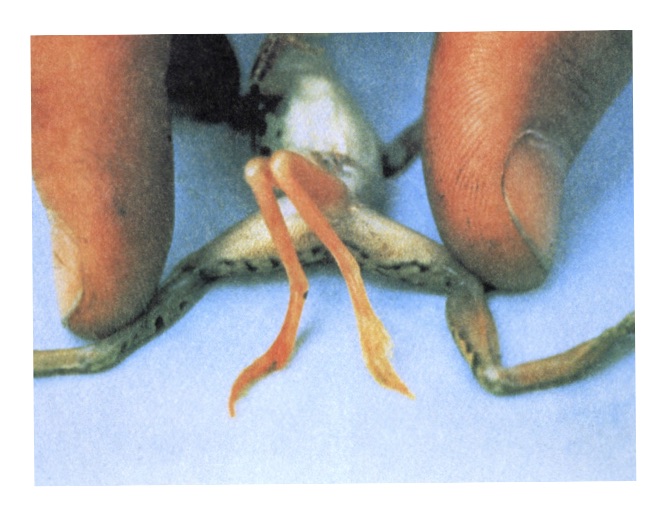 Atrazine mutates frogs quickly. Atrazine makes males become more female, make less testosterone, and make some even lay eggs.
I am going to leave you with something to sit with on Atrazine. The chemical company Syngenta makes atrazine. As stated atrazine is known to cause cancers.
Syngenta is also a pharmaceutical company; They make chemotherapy drugs. Would you call this a conflict of interest?
Food to the rescue (organic and regenerative food that is)
We are not totally at the whim of these chemicals; fermented foods help you detox pesticides, especially fermented cabbage foods; in addition the antioxidant lycopene found in watermelon, tomatoes, red bell peppers, and other red vegetables will protect us against some of toxic effects, as long as they are not dosed with these pesticides.
Why is the US so far behind??
The EU follows the precautionary principle. If a chemical is shown to be capable of causing serious harm, such as cancer, reproductive damage, or endocrine disruption, it can be restricted even before harm in real-world use is proven. The burden falls more on the manufacturer to show safety.
The U.S. is mostly risk-based. The question is whether harm is likely at realistic exposure levels, and the burden falls more on us and a handful of regulators to scream the alarms or show unacceptable risk before pulling a product. This takes many years to prove, leaving a product on the market until there is “proof” rather than removing it while the investigations are happening.
The U.S. requires stronger proof of real-world harm before acting, weighs economic benefits more heavily (that’s benefits for big ag not us), and has a slower, more politically pressured regulatory process. The EU leans toward caution when a chemical shows serious hazard potential.
On chemicals like paraquat, where the evidence is fairly strong, many scientists and health groups argue the U.S. approach has clearly lagged.
And its not just on chemicals the US lags so far behind, we are also way far behind in integrative medicine practices. Many countries include cultural practices they have used for hundreds and thousands of years, such as herbalism, TCM, and Ayurveda in their traditional healthcare systems with much better outcomes than US.
Additionally, the U.S. has the highest rates of preventable and treatable deaths for all ages. This is due to a combination of pesticides and food chemicals that are banned in other nations, high processed food intake, and sick care instead of health care.
Ref:
Michael J. Fox Foundation – Syngenta ending paraquat production
The New Lede – Syngenta settles bellwether trial
The New Lede – Syngenta moving to settle thousands of lawsuits
Parkinson’s Australia – Ban paraquat
https://link.springer.com/article/10.1186/s13024-025-00915-z